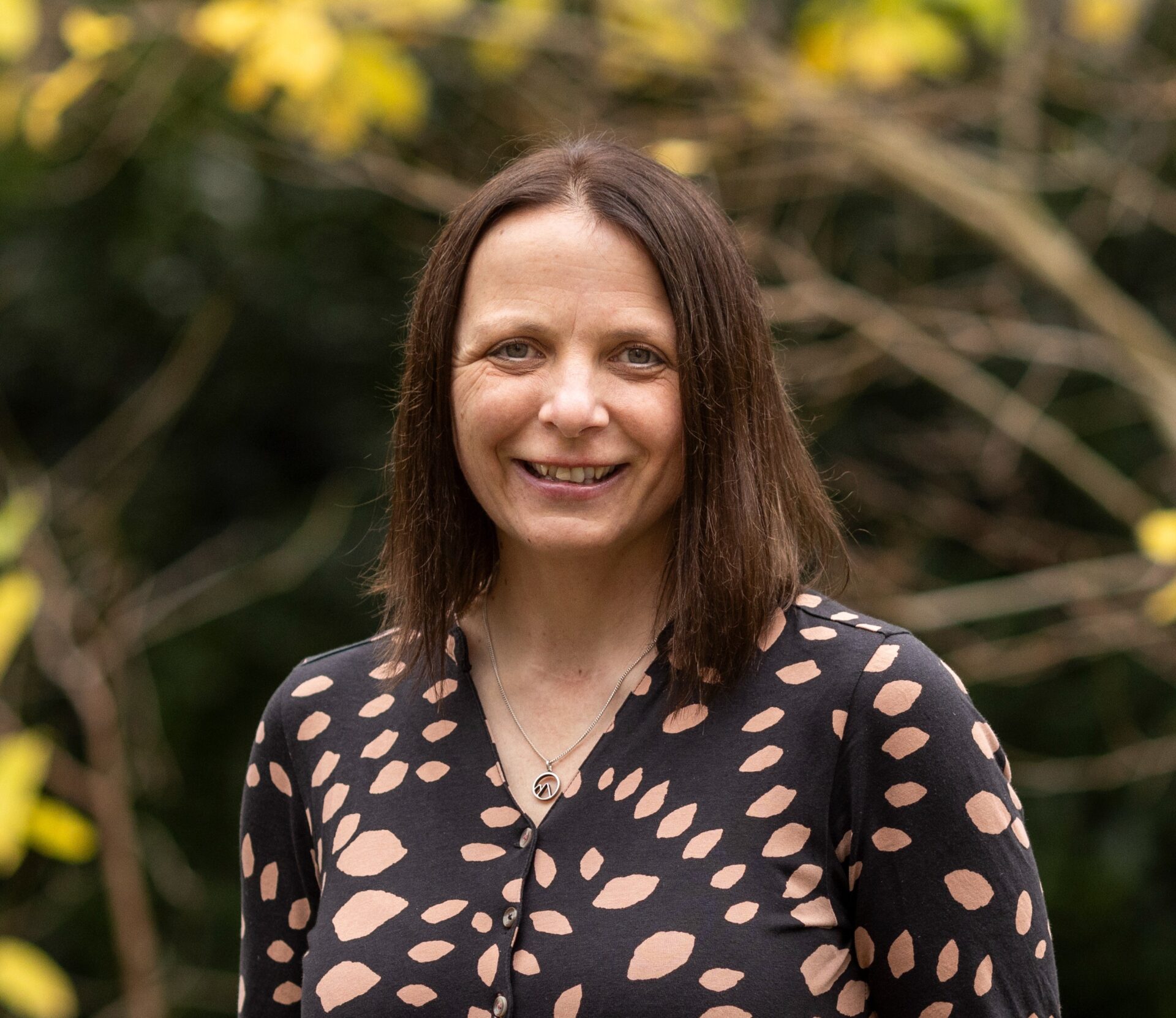
In October we welcomed four new PhD students to HASP, we’ve been meeting one each week to learn more about them and their project. This week it’s Bhagya Sri Chintakula whose PhD will focus on identifying priority places for increasing physical activity in the UK.
Globally, a third of all adults do not meet physical activity recommendations. At the same time, we need to reduce emissions from motorised transport, which is a key contributor to the climate crisis.
Shifting behaviour towards increased physical activity, including active travel, presents an opportunity for intervention and innovation that would reduce emissions, and promote health.
This PhD project explores developing a composite measure to highlight places across the UK most in need of support to access physical activity spaces, from a combined health and wellbeing and environmental sustainability perspective.
Bhagya, tell us a bit about yourself and your background
I’m Bhagya Sri Chintakula, a PhD researcher at the School of Geography, University of Leeds. My work focuses on transforming data into actionable insights that support sustainable development. With a multidisciplinary background in urban planning and data science, I specialize in spatial analysis, environmental impact assessments, sustainable infrastructure planning and leveraging data to address urban challenges.
I’m passionate about bridging the gap between research and real-world application, using evidence-based approaches to shape healthy, resilient, and sustainable cities. My current research is “Identifying Priority Places for Increasing Physical Activity in the UK” – HASP PhD.
How did you become interested in data science.
As an urban planner, I’ve always been fascinated by the complexity of cities and the potential to shape sustainable places by reducing environmental impact and creating more livable, coherent neighbourhoods. While working on urban and rural development projects, I encountered the challenge of capturing the intricate interactions between social, economic, environmental, infrastructure and physical dimensions of urban spaces.
From demographic statistics to environmental data, I was drawn to how data can illuminate meaningful patterns that support more informed and evidence-based decisions. That’s what led me to data science: a way to deepen my understanding of urban systems and contribute to smarter, healthier and more sustainable solutions.
What attracted you to the HASP programme
With a background in urban planning and data science, I was drawn to the HASP’s interdisciplinary, place-based approach to improving the health and sustainability of places through smart data research. HASP’s Keystone project, Identifying Priority Places for Increasing Physical Activity, goes beyond just increasing number of physical activity facilities, it is about creating more walkable, safer locations and driving interventions and innovations that reduce emissions, and promote health.
The opportunity to work on the HASP deeply motivates me and aligns perfectly with my research interests. This project offers an ideal platform where I can apply both my urban data analysis and planning skills to make a meaningful impact.
What are you looking forward to about the PhD
My PhD focuses on developing a composite measure that integrates health, sustainability, and the socio-spatial dynamics of place to identify high-priority locations for enhancing access to physical activity. This research explores how promoting active lifestyles can encourage a shift to non-motorized transport, reduce emissions, and support both physical and mental well-being.
Pursuing a PhD, I want to expand my research skills and explore how health, sustainability, and spatial dynamics interact in shaping healthier places. With my research experience, coupled with an ambition to make a positive contribution to developing sustainable places, I look forward to leveraging data-driven approaches to improve public health and the environment.
Do you have plans for the future?
I want to pursue an academic career and work on developing a place-based decision-support tool by integrating multiple layers of urban data. This tool would help planners, policymakers, and stakeholders make informed choices and design effective strategies by identifying priority places.
What does a healthy and sustainable place mean to you?
For me, a healthy and sustainable place is where people feel safe and happy with good physical and mental health and equitable access to opportunities. – A place where people enjoy living in communities that are environmentally, socially and economically strong.