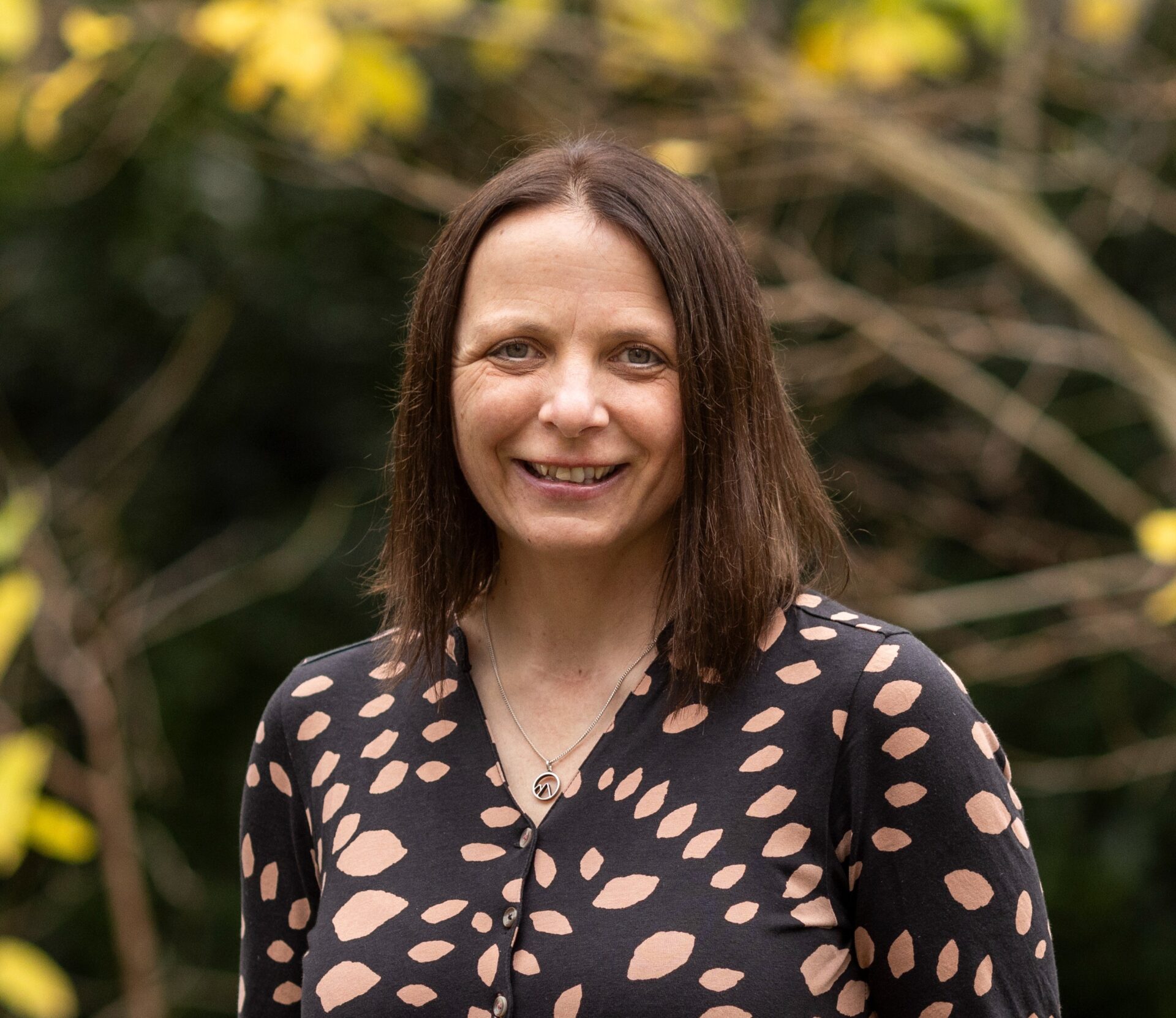
In October we welcomed four new PhD students to HASP, we’ve been meeting one each week to learn more about them and their project. This week it’s Frank Chen whose PhD will focus on understanding the relationship between food behaviours and health outcomes.
Food production and consumption are at the heart of the worlds greatest challenges, with 1 in 5 deaths globally attributed to poor diet and a third of global greenhouse gas emissions coming from food production.
This PhD project, in partnership with Nesta, will use smart data from food providers, combined with health outcomes within the NHS secure data environment, to unlock insights into behaviour and health outcomes for places across the UK most in need of support and interventions to improve access to healthy, sustainable and nutritious food.
Frank, tell us a bit about yourself and your background
I am a PhD student affiliated with HASP and based in the School of Food Science and Nutrition of the University of Leeds. I have broad interests in social science and medicine, such as the nature-versus-nurture question. Having begun my research career in genetics, I expanded my knowledge and skills in AI and data science, before moving into how social norms and public policy shape individual behaviour and population health. I am particularly committed to data-driven approaches that minimise biases in social research.
How did you become interested in data science?
My interest in data science grew from my early work in genomics, where I saw how large-scale data could uncover complex biological patterns. Over time, I realised that the same principles could be applied beyond the laboratory to social and health systems. The ability to combine large, real-world datasets to understand how environments and behaviours influence health outcomes continues to fascinate me.
What attracted you to the HASP programme?
HASP offers a rare opportunity to combine health, place, and behaviour data in a way that directly informs policy and practice. The interdisciplinary environment, spanning geography, nutrition, and data science, aligns perfectly with my research interests. The access to secure, linked datasets and collaborations with organisations like Nesta also make HASP a unique platform for impactful research.
What are you looking forward to about the PhD?
I am looking forward to uncovering new insights into how local food environments influence health, and to developing methods that help policymakers design more equitable interventions. I also value the opportunity to learn from and work alongside an interdisciplinary community of researchers across HASP and Leeds.
Do you have plans for the future?
In the long term, I hope to continue working in academic and applied research, focusing on the intersection of data science, health policy, and inequality. My goal is to contribute to building healthier and more equitable communities, using evidence-based insights to guide decision-making.
What does a healthy and sustainable place mean to you?
A healthy and sustainable place is one where people have equal access to nutritious food, clean environments, and opportunities to live well, regardless of income or postcode. It’s not only about health outcomes but also about fairness, empowerment, and resilience within communities.